
Industry-Leading Hazard Monitoring and Grain Temperature Systems
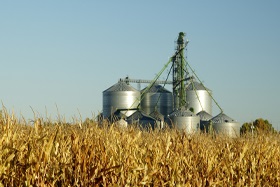
Hazard monitoring and grain temperature management systems play a critical role in keeping commercial grain handling facilities safe. AGI CMC provides monitoring systems that detect abnormal equipment conditions and changes in stored grain temperature before they escalate into safety incidents, equipment damage or product loss.
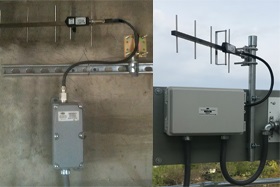
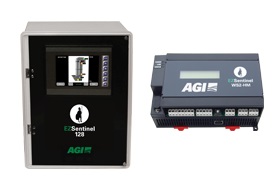
AGI CMC Hazard Monitoring and Grain Temperature Management systems provide continuous visibility into bearing temperature, belt alignment, shaft rotation, and internal grain temperature. This visibility supports safer operations, helps reduce unplanned downtime, and protects grain quality during storage and handling.
A Complete Monitoring Approach for Commercial Grain Handling
AGI CMC provides two complementary monitoring systems that work together to support safety, reliability, and informed decision-making.
Hazard Monitoring
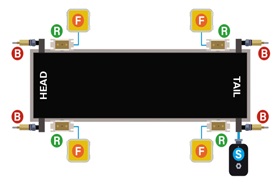
A hazard monitoring system tracks bearing temperature, shaft rotation, and belt alignment across conveying and elevating equipment. These inputs identify fault conditions early, helping operators address issues before they lead to unsafe operating conditions, equipment damage, or unplanned downtime.
Learn more
Grain Temperature Management
A grain temperature management system measures internal grain temperature to detect moisture migration, spoilage risk, and poor air distribution. This data supports aeration and storage decisions that help reduce loss and protect grain quality over time.
Learn more
Monitoring Solutions
About CMC
In the early 1970s, the founder of CMC witnessed an explosion and fire at a grain elevator in Vancouver, BC that resulted in loss of life. That event led to a clear focus on improving safety in grain handling facilities.
CMC was founded in 1997 in Burnaby, BC with a focus on monitoring systems that improve safety and operational reliability in grain and bulk material handling facilities. CMC became part of AGI in 2018 and is now a key part of the AGI Digital Division based in Lenexa, KS.
Technical Support and Training
AGI CMC technical support and training help ensure monitoring systems are installed, commissioned, and used correctly in commercial grain facilities. Proper setup reduces installation errors, minimizes avoidable service calls, and supports reliable system performance.
Training includes hands-on instruction and practical guidance for installers and operators, covering installation, operation, and ongoing maintenance so teams can work confidently from day one.